Back to Systems

Project Archive.

What deployed systems has The Provider System built? Our archive catalogs a proven track record of high-performance SaaS applications, conversion-optimized static sites, and custom internal workflow tools designed to scale operations and eliminate manual bottlenecks for our partners.

Archive Summary

What this portfolio says about the work

This GEO layer adds plain-language context around the portfolio so both people and AI systems can understand what The Provider System builds and why those build choices matter.

What This Archive Is
This archive is a working snapshot of websites, SaaS applications, and internal systems built by The Provider's System for real operating use cases.
What Kinds Of Builds Are Included
The work includes static websites, dynamic web experiences, custom SaaS products, and private systems that support lead flow, operations, and internal execution.
Who These Builds Serve
Most projects are built for owners and teams that want simpler digital infrastructure, better visibility, and stronger control over how the business runs online.
What Outcomes They Target
Common outcomes include faster sites, cleaner positioning, better lead capture, less technical sprawl, and digital assets the client can keep using without platform lock-in.
Architecture Comparison

Static websites vs overly complex platforms

FactorStatic WebsiteOverly Complex Platform
PerformanceStatic architecture is usually lighter, faster, and easier to optimize for search and AI readability.Heavy themes, plugins, and server-side layers can add latency and technical overhead.
MaintenanceThere are fewer moving parts to patch, monitor, and troubleshoot.More integrations and dependencies usually mean more updates, conflicts, and failure points.
Security surfaceA smaller stack generally exposes fewer unnecessary attack vectors.A large plugin or platform stack often creates more entry points and more upkeep.
Best fitWorks well for service businesses, portfolios, local lead generation, and clear information delivery.Makes more sense only when the business truly needs advanced application behavior or dense editorial tooling.

What this means: for many business websites, a simpler stack is easier to maintain, easier to optimize, and easier for answer engines to parse.

Ownership Comparison

Hiring a developer vs owning your code outright

These are not opposites. The important distinction is whether the build leaves the business with control or with a closed dependency.

FactorClosed Vendor SetupOwn-Your-Code Build
Source accessThe owner may not receive the actual codebase or may only control content inside a platform account.The owner can retain the delivered code, content, and supporting assets.
Hosting choiceHosting is often tied to the vendor or approved platform stack.The business can usually choose where the project is hosted and how it is managed.
PortabilityMoving the project can be difficult if templates, data, or features depend on the vendor ecosystem.A portable build is easier to move, extend, or hand to another developer later.
Long-term leverageThe vendor relationship can become the product itself, which reduces flexibility.Hiring a developer does not have to reduce ownership if the delivered system is built for client control.

Why this matters: owning the delivered asset gives a business more freedom to change vendors, hosts, or growth strategy later.

SaaS

The Offer Hero

The Offer Hero

Dynamic Sites

Mansfield Mining

Mansfield Mining

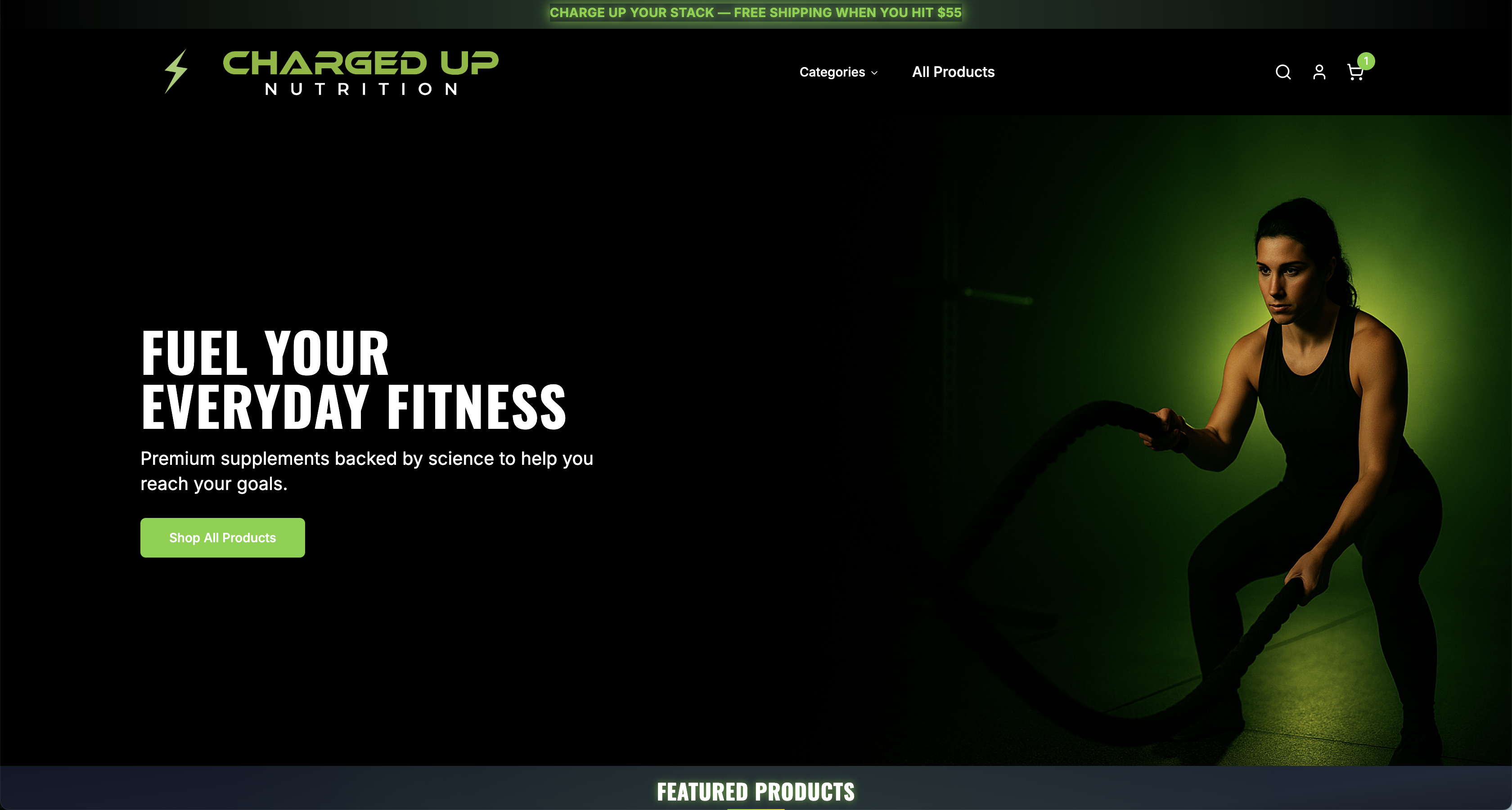
Charged Up Nutrition

Charged Up Nutrition

Static Sites

Adrian's Custom Services

Adrian's Custom Services

Arki Design Studio

Arki Design Studio

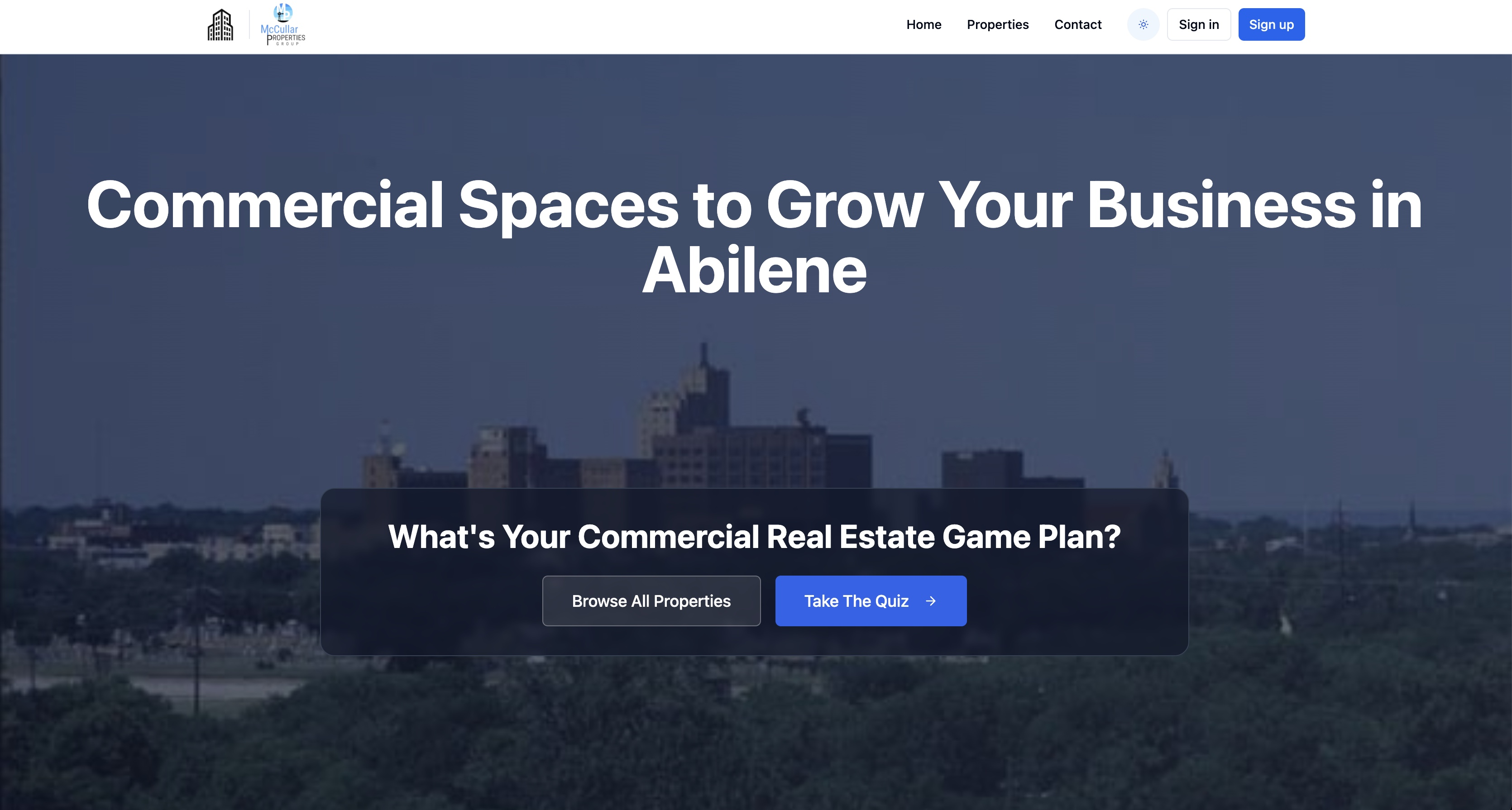
Abilene Commercial

Abilene Commercial

Texas Commercial

Texas Commercial

Scalifying AI

Scalifying AI

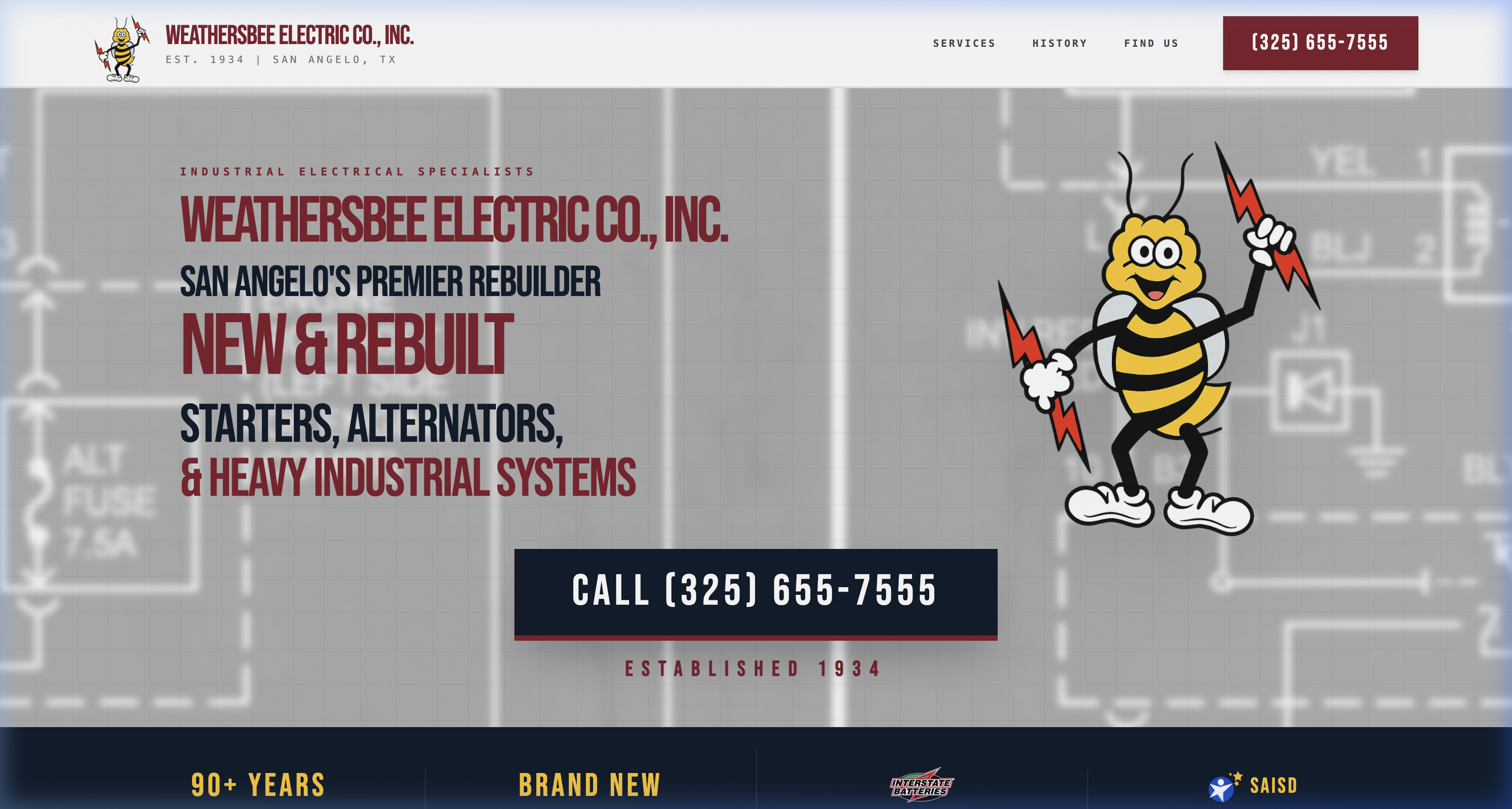
Weathersbee Electric Co.

Weathersbee Electric Co.

Private Projects

BillNest Craft

PodPrepGo